Controller Weight Distribution: The Science of Gaming Comfort
By Aisha El-Sayed • 2nd May
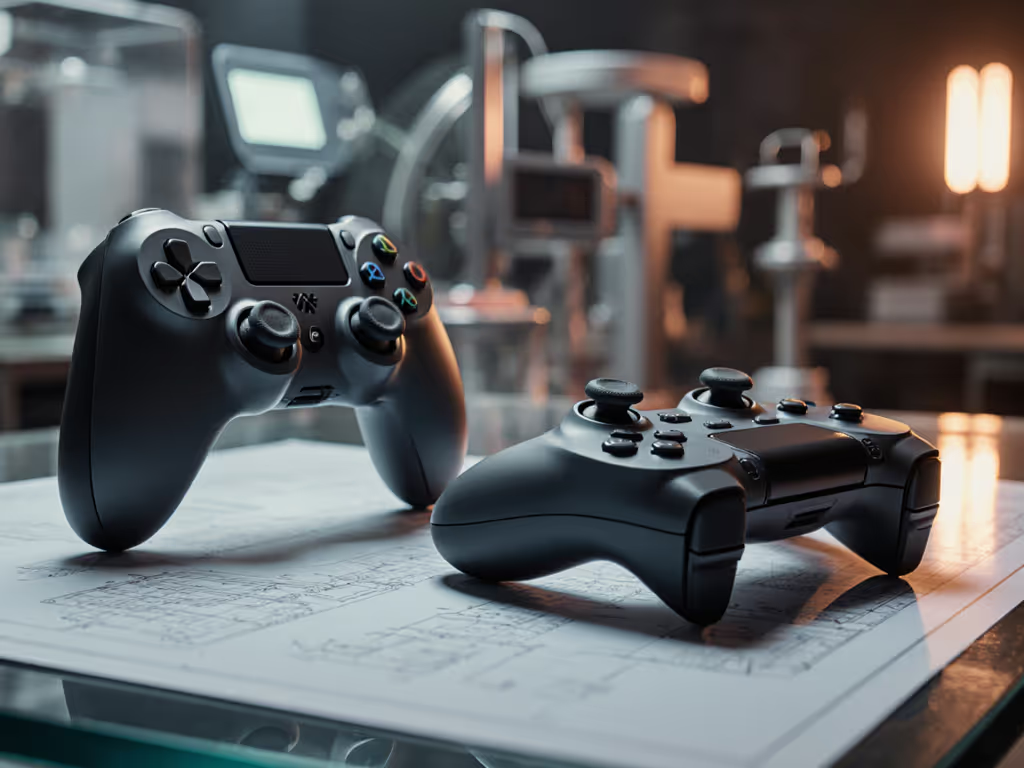
Controller weight and weight distribution profoundly shape your gaming experience, yet many players overlook this dimension entirely. Understanding controller weight science and how weight distribution in gaming actually works can transform your comfort, endurance, and performance, especially during marathon sessions or competitive play. The principle is simple but often misunderstood: the ideal controller weight is not about raw poundage; it is about how that mass is positioned relative to your hand and wrist.
Why Controller Weight Distribution Matters More Than You Think
Q: Isn't a lighter controller just objectively better?
Not necessarily. A lightweight controller reduces fatigue for some players but can feel insubstantial or uncontrollable for others. The real variable is distribution (where the weight sits). A controller with mass concentrated near the center of your palm differs mechanically from one weighted toward the back or front. Your forearm muscles work differently depending on the center of gravity. For posture tips that pair with smart weight distribution, see our ergonomic game controllers guide. A front-heavy controller demands more wrist stabilization; a rear-heavy one shifts the load toward your palm and proximal hand.
This matters because fatigue is not just about total load; it is about sustained muscular tension in small stabilizer muscles. After years of working with players who had discomfort, I learned that precision beats assumptions. When I developed numbness grinding a new fighter, my physical therapist refit my setup with a lighter actuation and a wider grip. The pain disappeared immediately, and my execution actually improved, which taught me comfort is not a luxury. It is capacity.
Q: What's the actual science behind this?
Your forearm contains dozens of small muscles that stabilize the wrist and fingers. When a controller's weight is unevenly distributed, your stabilizers work harder to maintain neutral wrist alignment. Over time, sustained tension in muscles like the extensor carpi radialis or flexor carpi ulnaris can create fatigue, pain, or even injury. Biomechanical research confirms that uneven load distribution increases microtrauma to tendons and nerves, particularly on the radial and ulnar sides of the wrist. For a deeper dive into the biomechanics of hand strain, see our dedicated guide.
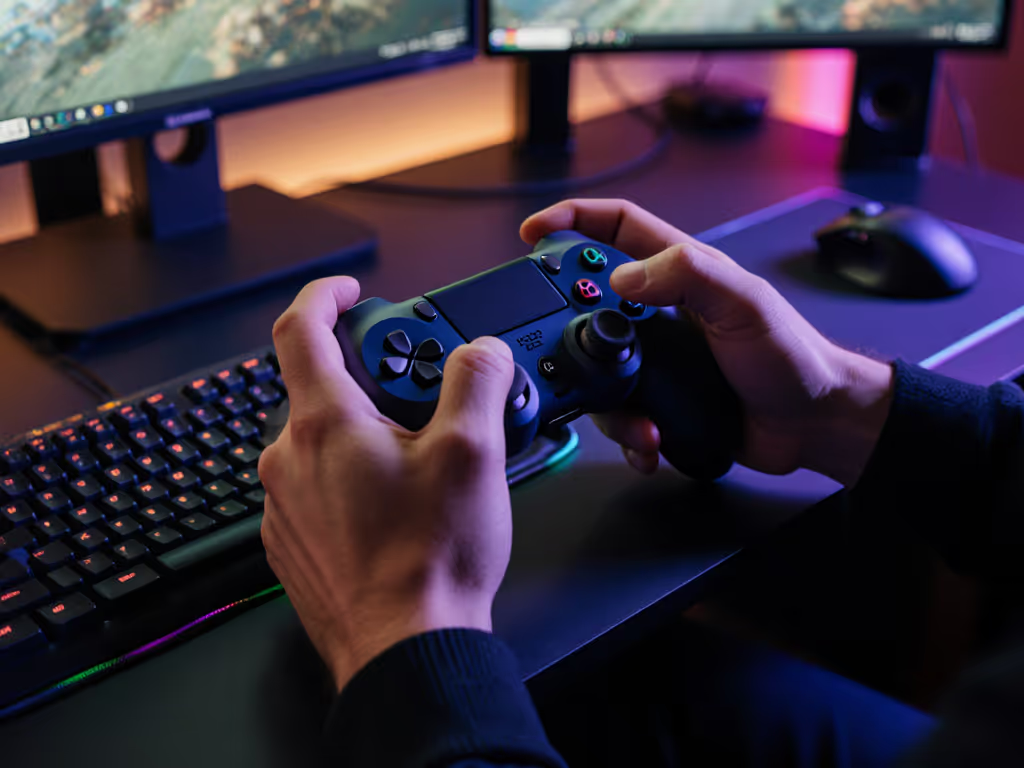
A well-balanced controller minimizes this. The goal is neutral wrist posture: your hand should sit as if resting naturally on a table, not flexed or extended to compensate for weight imbalance.
Heavy vs. Light Controllers: What the Data Shows
Q: What's the optimal controller weight?
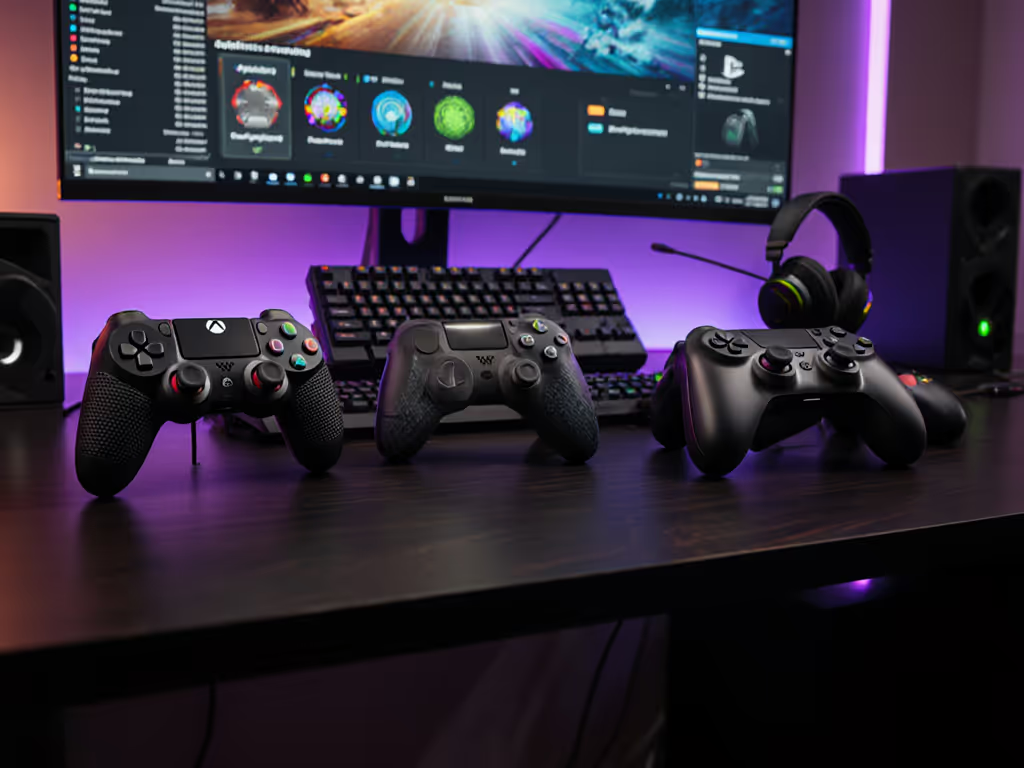
There is no universal answer, but research and player feedback suggest a range. Most modern controllers weigh between 200 to 280 g. If you're choosing between Xbox models, our Elite Series 2 vs Core grip guide can help you match weight balance and grip to your hand size. Players with smaller hands often prefer 220 to 240 g; those with larger hands often tolerate 260 to 280 g better. However, weight alone does not predict comfort. A 250 g controller with front-heavy weight distribution may feel heavier than a 270 g controller balanced at the center of mass.
A comfort-first approach means knowing your own biomechanics:
- Hand size: Smaller hands benefit from lower overall weight because leverage disadvantages them more.
- Session length: Longer gaming sessions demand lighter controllers; competitive sprints are less sensitive to weight fatigue.
- Grip style: Palm-grip players feel weight more acutely than finger-grip players, who distribute load across more muscle groups.
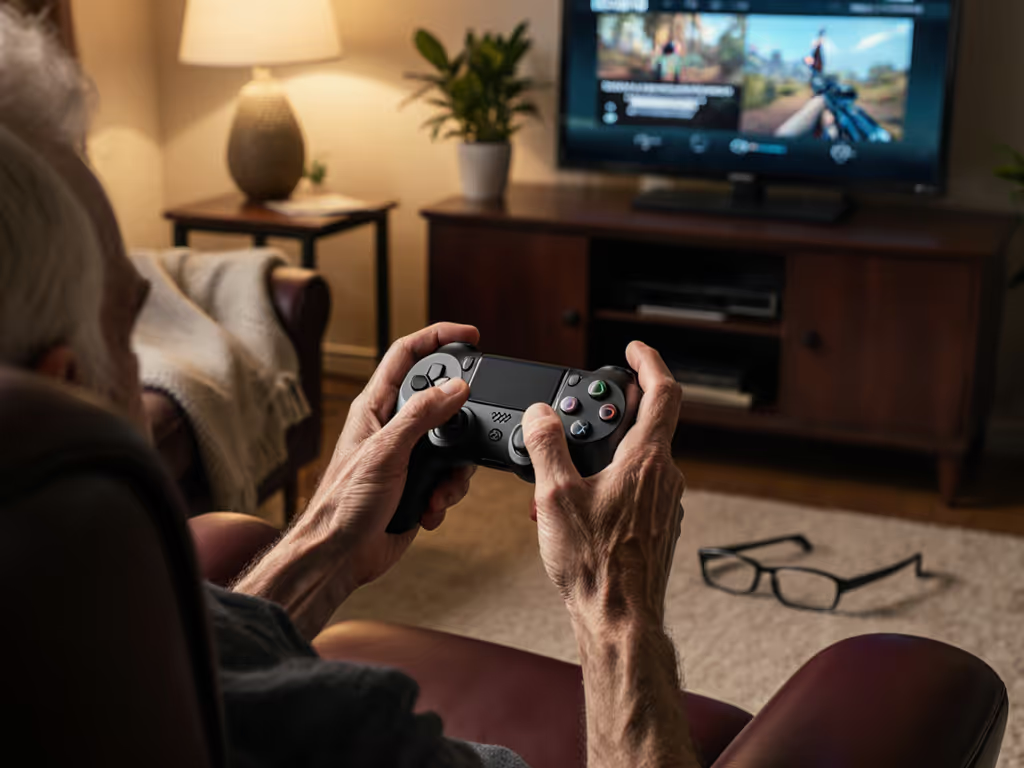
- Wrist strength: Players with pre-existing wrist strain or small frames should lean toward lighter options. Older gamers can find tailored picks in our controllers for aging hands.
Q: Do heavier controllers offer any advantages?
Yes, for specific use cases. Heavier controllers provide more tactile feedback and can reduce input jitter if the weight is centered. Some competitive players prefer the added stability.
Related Articles